What Separates a Great Drywall Finish from a Mediocre One
Drywall finishing is one of those trades that looks deceptively simple from the outside but requires years of practice to master. The difference between a Level 3 finish and a Level 5 finish might not be obvious in a dimly lit room, but under raking light — the kind of light that comes through windows at a low angle — every imperfection becomes visible. At Drywall Texture Pros, we've seen the full spectrum of drywall work throughout Ocala and Central Florida, from flawless professional finishes to DIY disasters that required complete redo. Here are five things every homeowner should know before hiring a drywall contractor.
Tip 1: Understand Drywall Finish Levels
The drywall industry uses a standardized system of finish levels — from Level 0 (no finishing at all) to Level 5 (the highest quality finish, suitable for high-gloss paint and critical lighting conditions). Most residential walls are finished to Level 4 or Level 5, but many homeowners don't know to ask about this when getting estimates.
Here's a quick breakdown of the levels most relevant to residential work:
- Level 3: All joints and angles are taped and covered with two coats of compound. Suitable for medium to heavy texture finishes where the texture will hide minor imperfections.
- Level 4: Three coats of compound on all joints and angles, with fastener heads covered. Suitable for flat, eggshell, or light texture finishes. This is the standard for most residential walls.
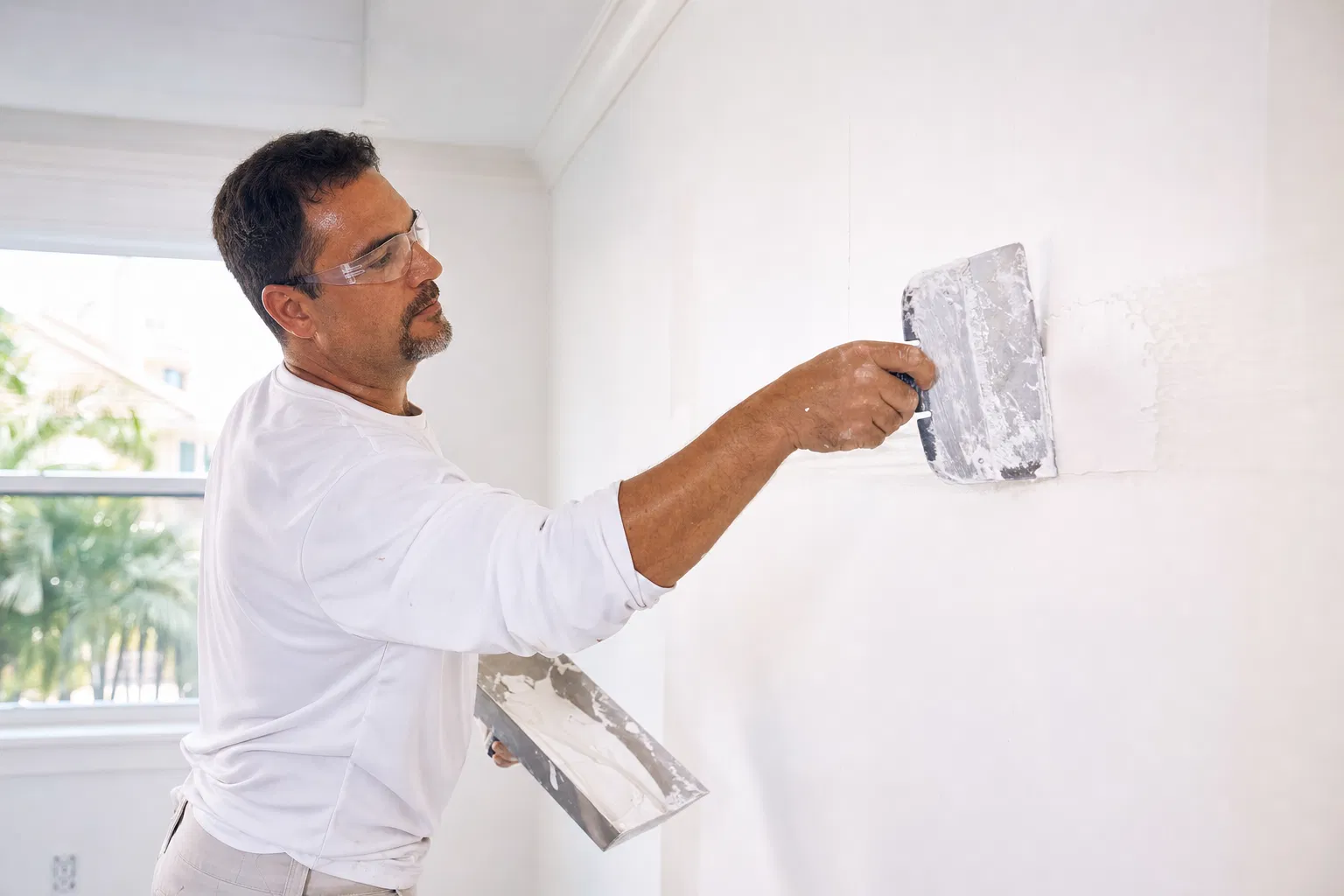
- Level 5: A skim coat of compound is applied over the entire surface in addition to the Level 4 work. This is required for high-gloss paint, critical lighting conditions, or any application where the finest possible finish is needed.
When getting estimates, ask each contractor what finish level they're quoting. A Level 4 finish and a Level 5 finish will look very different under certain lighting conditions, and the price difference is significant. For rooms with large windows, high-gloss paint, or critical lighting, always specify Level 5.
Tip 2: Texture Matching Is a Specialized Skill
If you're having drywall repaired in a room that already has a specific texture — knockdown, orange peel, skip trowel, or any other pattern — texture matching is one of the most challenging aspects of the job. A poorly matched texture patch will be visible for as long as you live in the home, especially under certain lighting conditions.
Professional texture matching requires experience with a wide variety of application techniques and tools, as well as the ability to replicate the exact density, pattern, and depth of the existing texture. When interviewing contractors, ask to see examples of their texture matching work. If a contractor can't show you examples or seems uncertain about their ability to match your specific texture, that's a red flag.
At Drywall Texture Pros, texture matching is one of our core specialties. We've worked with virtually every texture type common in Central Florida homes and take pride in repairs that are truly invisible.
Tip 3: Proper Priming Is Non-Negotiable
One of the most common mistakes made by inexperienced contractors — and virtually all DIYers — is painting directly over new joint compound without proper priming. Joint compound is highly porous and absorbs paint unevenly, creating a phenomenon called "flashing" where some areas appear dull and others appear shiny, even with multiple coats of paint.
The solution is to apply a high-quality drywall primer (also called a PVA primer or drywall sealer) before painting. This seals the joint compound, equalizes the surface porosity, and ensures that your paint goes on evenly and looks consistent under all lighting conditions. Always ask your contractor whether priming is included in their quote, and make sure it's a dedicated drywall primer — not just an extra coat of paint.
Tip 4: Humidity Affects Drying Time — Especially in Florida
Florida's high humidity is a significant factor in drywall work that many contractors and homeowners underestimate. Joint compound dries through evaporation, and high humidity slows this process considerably. In summer months, what might dry overnight in a dry climate can take 24-48 hours in a humid Florida home.
Rushing the drying process — by applying a second coat before the first is fully dry, or by painting before the compound is completely cured — leads to cracking, bubbling, and adhesion failures. Professional contractors account for Florida's climate in their project timelines and use fans, dehumidifiers, and air conditioning to maintain proper drying conditions.
If a contractor quotes you an unusually fast timeline during Florida's summer months, ask how they plan to manage humidity during the drying process. The answer will tell you a lot about their level of experience and professionalism.
Tip 5: The Prep Work Determines the Final Result
In drywall finishing, as in most trades, the quality of the preparation work determines the quality of the final result. This means properly securing loose drywall panels, treating any existing cracks or damage before applying new compound, ensuring that all fasteners are properly set (not protruding or over-driven), and addressing any moisture issues before work begins.
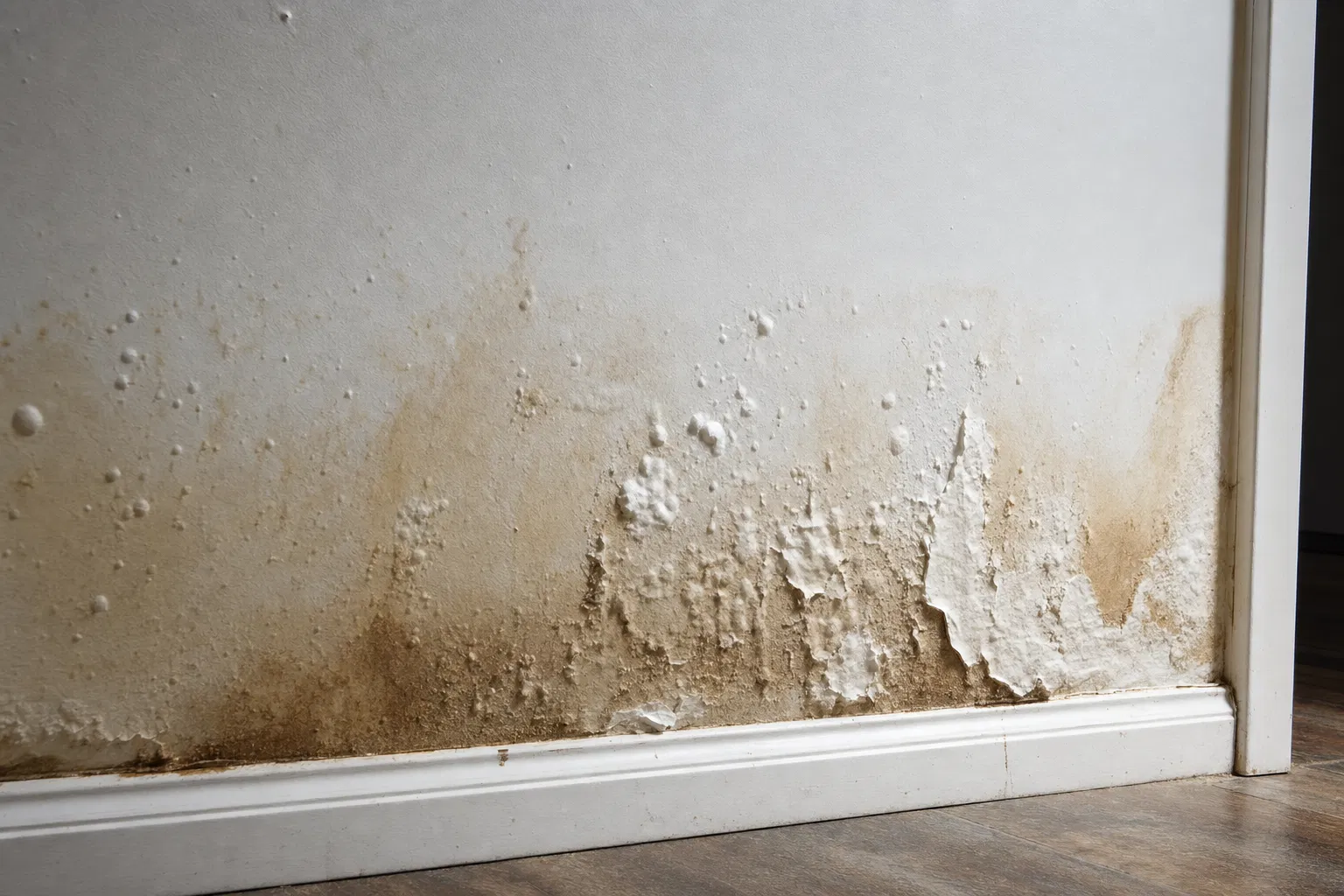
Shortcuts in preparation always show up in the final finish. Fasteners that aren't properly set will create visible bumps under paint. Cracks that aren't properly treated will reappear. Moisture that isn't addressed will cause new damage to appear within months of completion.
When evaluating contractors, pay attention to how thoroughly they assess the existing conditions before quoting. A contractor who spends time examining your walls, checking for moisture, and identifying existing issues before giving you a price is demonstrating the kind of thoroughness that leads to excellent results.
How to Find a Reliable Drywall Contractor in Ocala, FL
When hiring a drywall contractor in Ocala or surrounding Central Florida communities, look for these key qualifications:
- Licensed and insured: Always verify that your contractor holds a valid Florida contractor's license and carries both liability insurance and workers' compensation coverage.
- Local references: Ask for references from recent projects in your area and follow up by calling them.
- Detailed written estimates: A professional contractor will provide a written estimate that specifies the scope of work, materials to be used, finish level, and timeline.
- Clear communication: A contractor who communicates clearly and responds promptly before the job starts will typically communicate the same way during and after the project.
At Drywall Texture Pros, we meet all of these standards and more. We're proud to serve homeowners throughout Ocala, The Villages, Leesburg, Belleview, and Inverness with professional drywall finishing, repair, and texture services. Contact us at (352) 644-9166 or request a free estimate online.
Frequently Asked Questions
How long does drywall finishing take in a typical room?
A standard bedroom or living room typically takes 2-4 days for taping, mudding, sanding, and priming — not including painting. The timeline depends on the number of coats required, the finish level specified, and drying conditions. Florida's humidity can extend drying times, particularly in summer.
What is the difference between taping and skim coating?
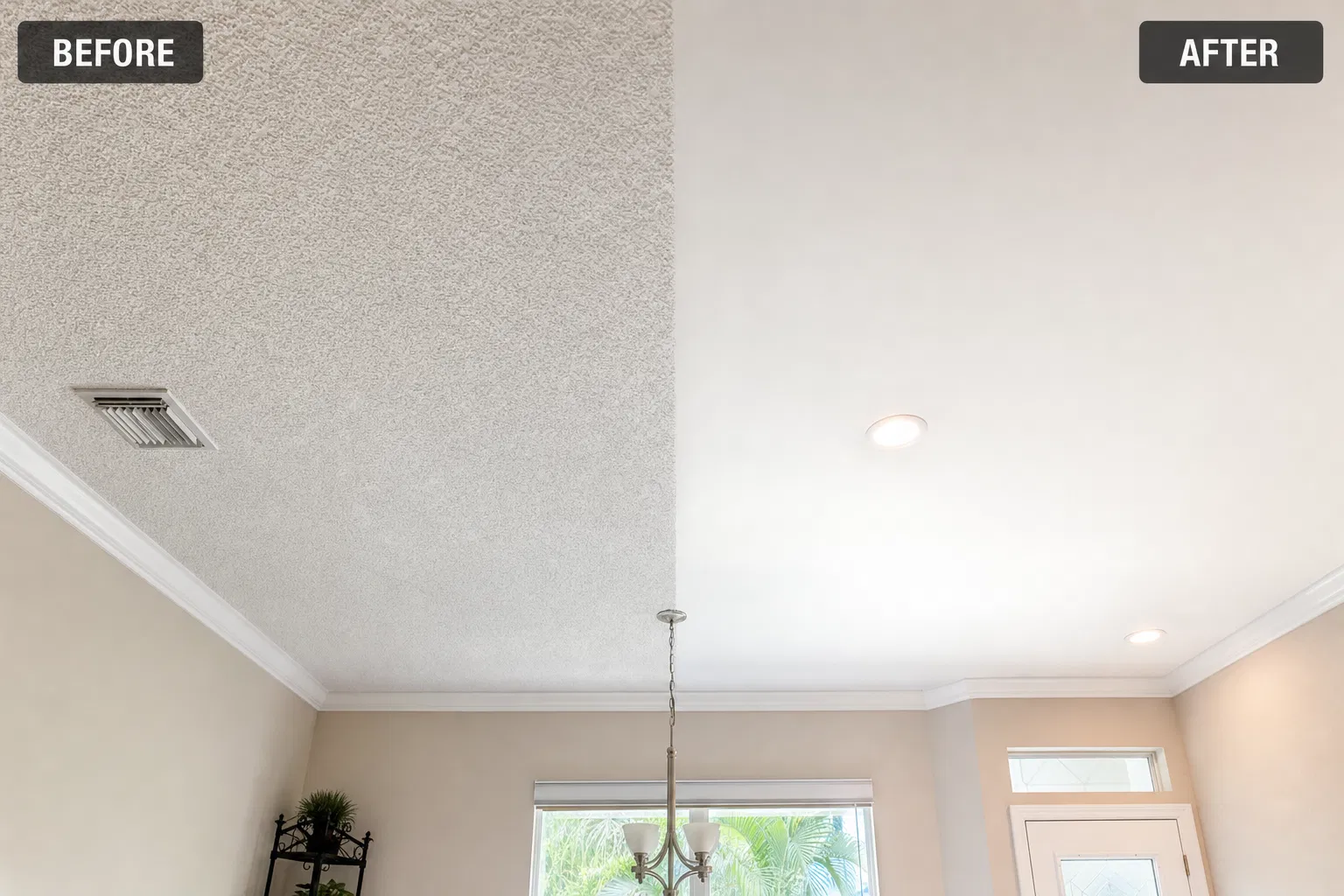
Taping refers specifically to embedding joint tape in compound at drywall seams and corners. Skim coating refers to applying a thin layer of compound over an entire wall or ceiling surface to create a smooth, uniform finish. Skim coating is typically done as a final step to achieve a Level 5 finish or to smooth out an existing textured surface.
Can drywall finishing be done in one day?
Rarely, and only for very small repairs. Quality drywall finishing requires multiple coats of compound with proper drying time between each coat. Rushing this process always leads to cracking and poor adhesion. Any contractor who promises to complete a full room in one day is either cutting corners or not applying enough coats.